A burst pipe, a failed water heater or a sewer backup can turn a finished basement or bathroom into a construction site overnight. The process has two very different stages: mitigation (stopping the water and drying the structure) and rebuild (putting the space back). Here's how they fit together.
Stage 1: stop the water and call your insurer
- Stop the source if you can safely, and turn off power to wet areas if it's safe to do so.
- Call your insurer early. Many policies expect prompt notice and set out how mitigation is arranged.
- Take photos and video before anything is removed.
- A water mitigation or restoration company typically removes wet materials and dries the structure with fans and dehumidifiers. That's specialist work with moisture meters, and it should be documented.
Stage 2: the rebuild
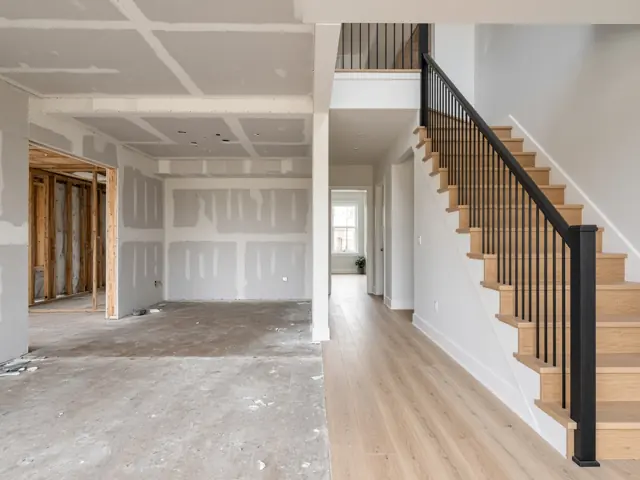
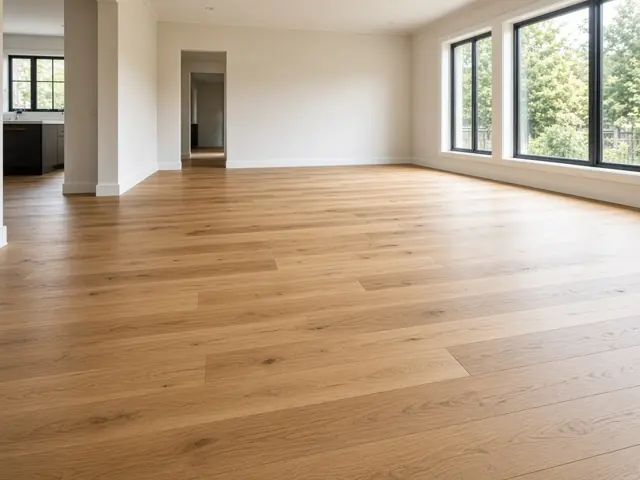
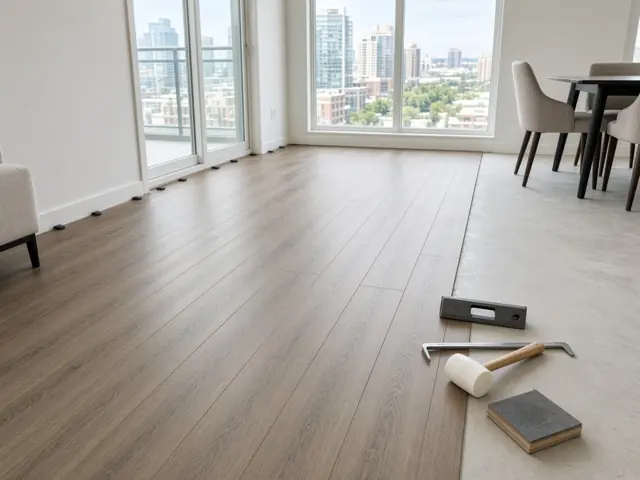
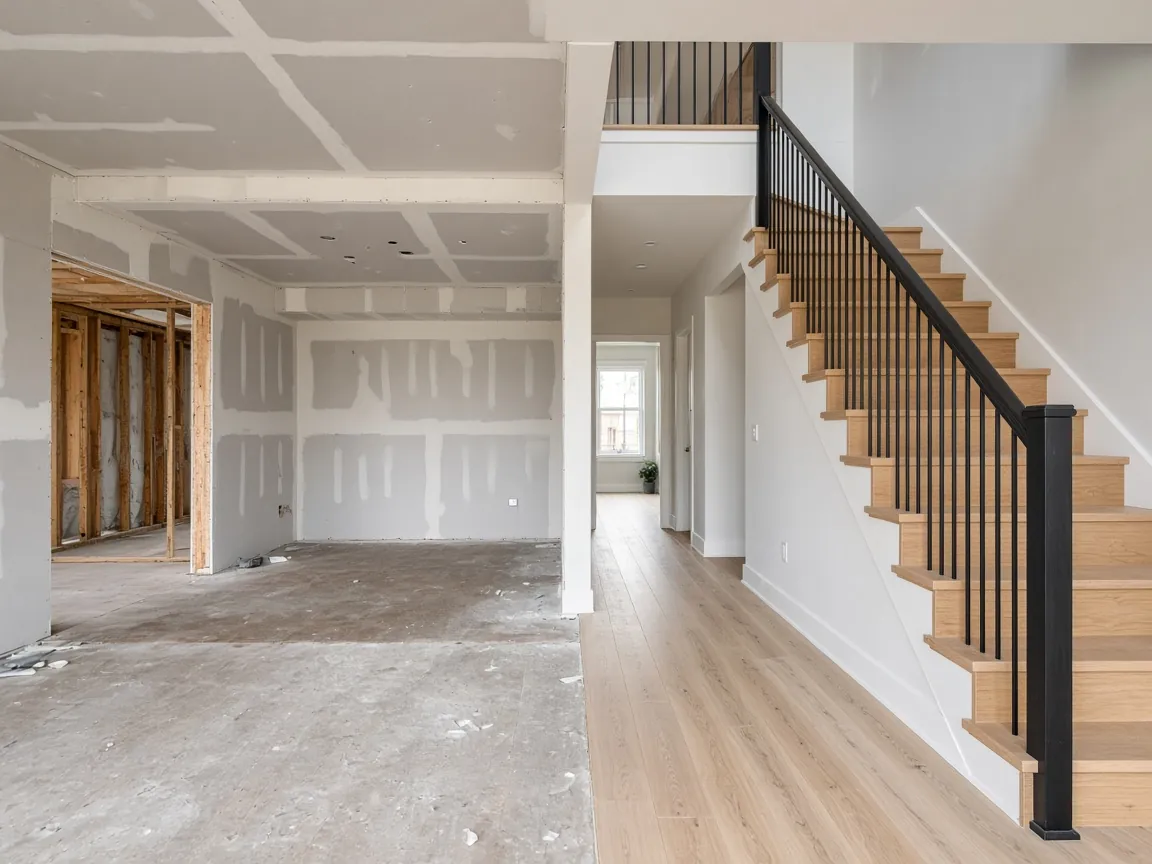
Once the structure is dry and signed off, the rebuild starts: insulation, vapour barrier, drywall, paint, flooring, baseboards, door casings, cabinets and finishing. This is where carpentry quality shows. Rebuilds are a good moment to fix things that were never right: add proper transitions, choose water-tolerant flooring for a basement, or move a laundry tray.
Permits during a rebuild
Under the City of Calgary's rules, repairing a leak or replacing faucets and fixtures doesn't need a plumbing permit. Extending or altering plumbing, or replacing water and sewer lines, does. New or altered electrical wiring needs an electrical permit, pulled by the electrician doing the work. If walls are being moved or the basement is being changed from its permitted layout, a building permit may be needed. Like-for-like finishes generally don't need one.
If wiring or plumbing was opened up during mitigation and had never been permitted, the City's concealed wiring and plumbing procedures may come into play. Ask before you close the walls.
Avoid these rebuild mistakes
- Closing walls too early. Drywall over damp framing invites mould. Get written moisture readings first.
- Matching the old mistakes. If carpet soaked up the last flood, choose a floor that can handle the next one. See best flooring for Calgary basements.
- Losing the finish details. Insurance scopes are often line items. Make sure baseboard profiles, door casings and stair details are matched to the rest of the house.
How we help
We handle the carpentry and finishing side of rebuilds, from framing repairs to trim and built-ins, and we work with your insurer's scope. See rebuilds or request a quote.
Frequently asked questions
Can I choose my own contractor for an insurance rebuild?
Policies vary. Many insurers allow you to choose your own contractor for the rebuild, while some have preferred vendors. Check your policy and talk to your adjuster before signing anything.
Do I need a permit to rebuild after water damage in Calgary?
Like-for-like finishes generally don't. New or altered wiring and plumbing need trade permits, and structural or layout changes may need a building permit. Check the City's home renovations page.
How long does a water damage rebuild take?
It depends on the size of the area, drying time, insurance approval and materials. Drying alone typically takes days, and the rebuild can take from days for a small area to weeks for a whole basement.
Sources
Rules, programs and prices change. Always confirm details with the source before you plan or budget.