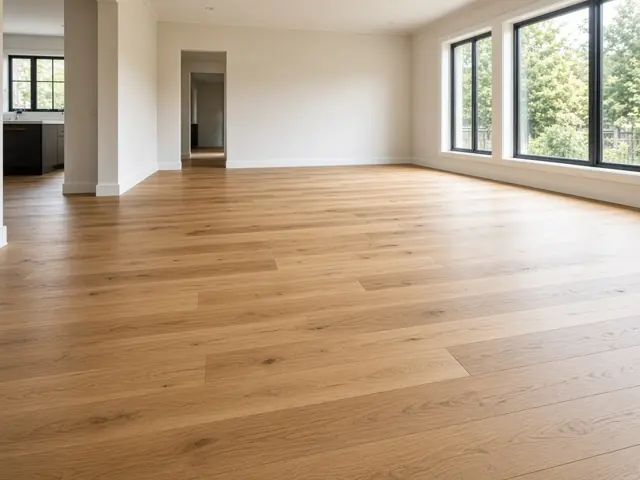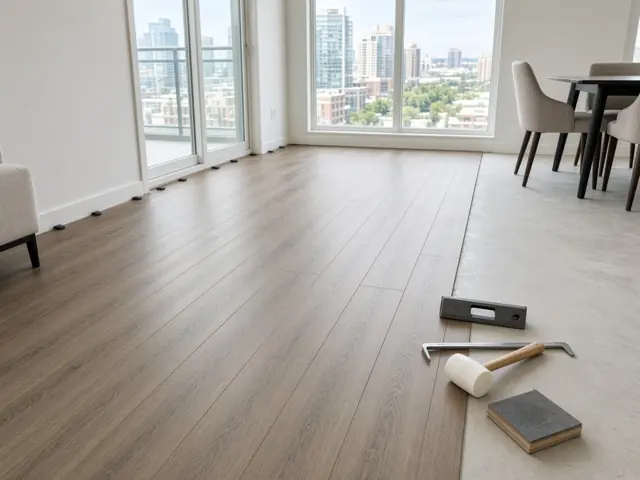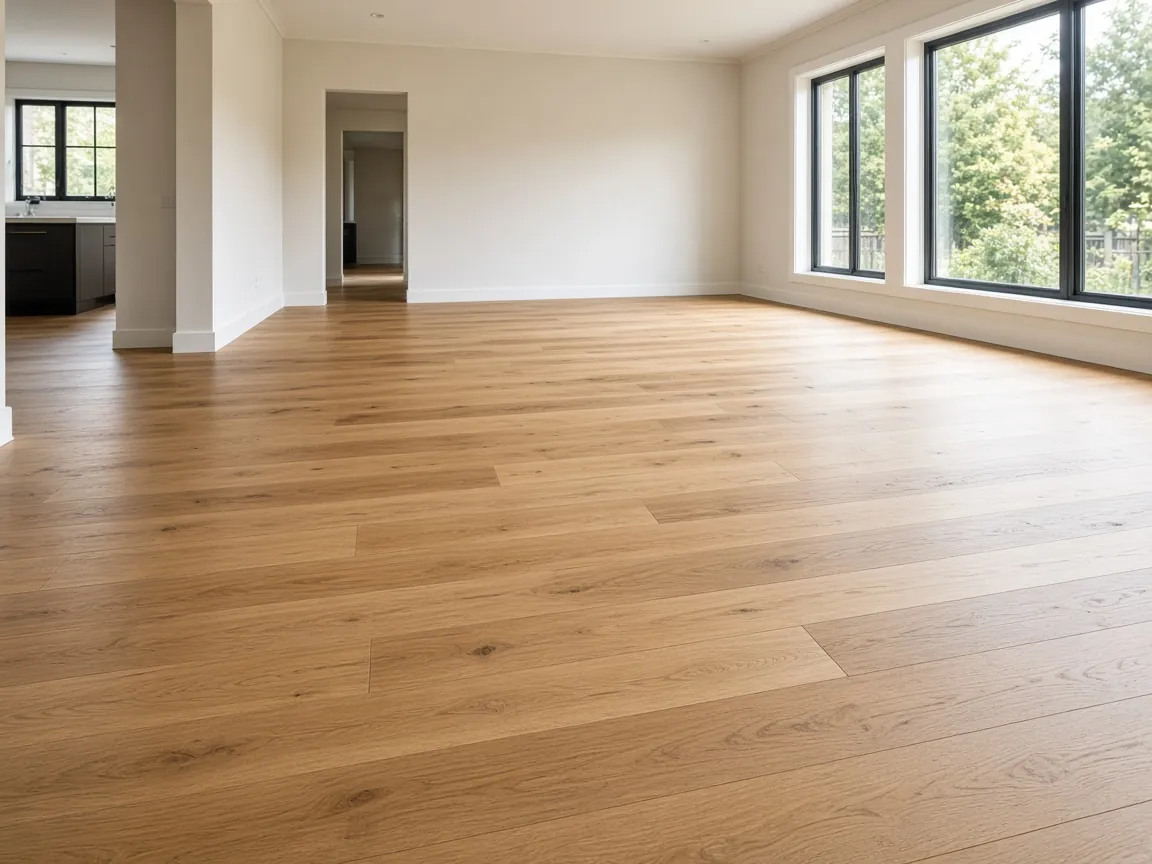
We install both, and we get asked which is "better" almost every week. The honest answer is that it depends on the room and how you live. Here's the comparison we walk clients through.
Side-by-side
| Luxury vinyl plank (LVP) | Hardwood (solid or engineered) | |
|---|---|---|
| Water | Surface tolerates spills and wet mopping | Spills need to be wiped up; standing water damages it |
| Scratches and dents | Resists everyday wear; can't be sanded | Softer species dent; can be sanded and refinished (engineered depends on wear-layer thickness) |
| Calgary dry winters | Dimensionally stable | Shrinks in dry air, so seasonal gaps are normal without humidity control |
| Feel | Warmer than tile, quieter with a good underlay | Warm, solid and natural underfoot |
| Below grade | Well suited | Engineered only, within manufacturer limits |
| Lifespan | Replaced when worn | Can last decades with refinishing |
Calgary's climate matters for wood
Wood takes on and gives off moisture. Calgary's air is dry for much of the year, especially in winter with the furnace running, so wood floors shrink and gaps open between boards. Chinooks bring their own swings. None of this ruins a hardwood floor, but you'll see it. Running a humidifier and letting flooring acclimatize before installation, per the manufacturer's instructions, makes a real difference.
Where each one wins
- LVP: basements, entries, mudrooms, kitchens with busy kids and pets, rentals and secondary suites.
- Hardwood: main-floor living and dining rooms, bedrooms, and homes where long-term value and a natural surface matter most.
- Either: kitchens. Hardwood needs a little more care; LVP takes more abuse.
Mixing floors
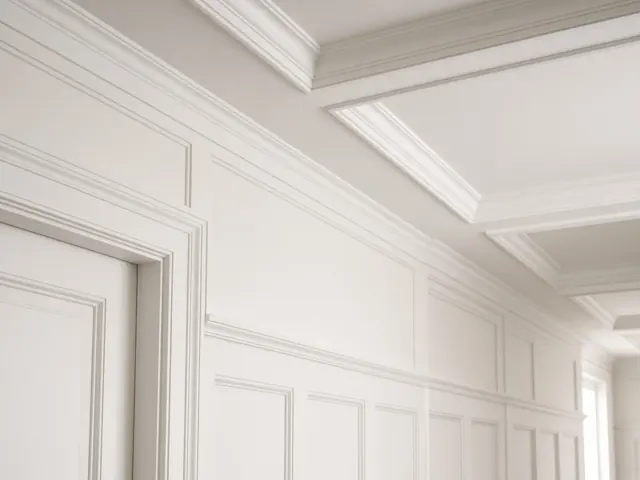
There's nothing wrong with hardwood upstairs and LVP downstairs. The details that make a mixed-floor house look intentional are transitions, stair nosings and matching or deliberately contrasting baseboard. That's finish carpentry, and it's where we spend our time. See trim and baseboards.
Frequently asked questions
Does LVP add as much value as hardwood?
Hardwood is generally seen as the premium surface. Quality LVP in the right rooms is widely accepted by buyers, especially in basements. We can't promise either one will add a specific dollar value to your home.
Why does my hardwood have gaps in winter?
Wood shrinks when the air is dry. In Calgary winters, indoor humidity can drop a lot, and boards contract. The gaps usually close again as humidity rises in spring and summer.
Can LVP go on stairs?
Yes, with stair nosing pieces made for the product. Stairs take careful cutting and fastening, so they cost more per step than open floor.
Sources
Rules, programs and prices change. Always confirm details with the source before you plan or budget.